I
From Wikipedia – Covering large areas of the Colorado and Mojave Deserts and the Little San Bernardino Mountains, this desert landscape is populated by vast stands of Joshua trees. Large changes in elevation reveal various contrasting environments including bleached sand dunes, dry lakes, rugged mountains, and maze-like clusters of monzogranite monoliths.
- Established: 10/31/1994
- Annual Visitors: 2,942,382
- Size: 790,636 acres
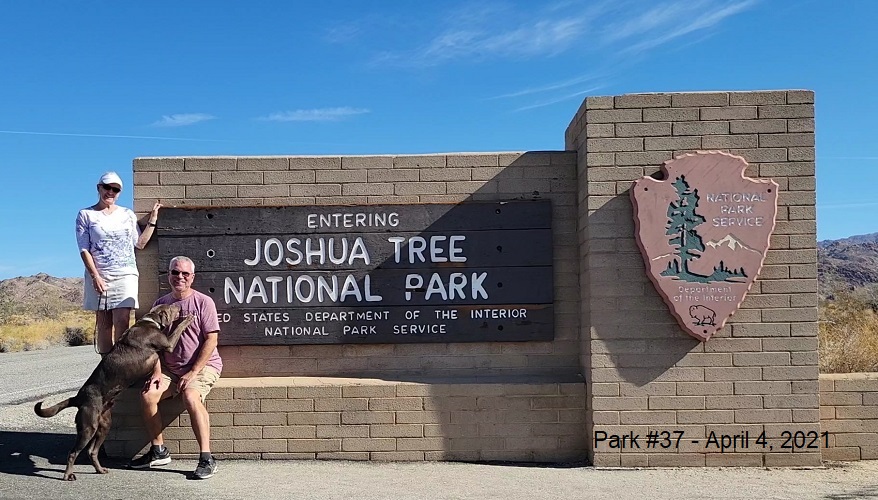
Joshua Tree National Park – April 4, 2021
Happy Easter to all! We are on another national park adventure! Our last one was in the fall of 2020 when we traveled to 27 national parks. You can read about them all on this website.
This time we drove from our home in Phoenix to Joshua Tree NP. We will then continue on up the coast of California, Oregon, Washington, over to Montana (Glacier NP) and back inland through the same states heading south back to Phoenix. We anticipate it will take us about 6 weeks. We will post after we visit each of the 14 planned parks and be adding side trips to state parks, preserves, fun lunch stops and any other adventures we find. We also like Geocaching so we’ll have fun finding those too!
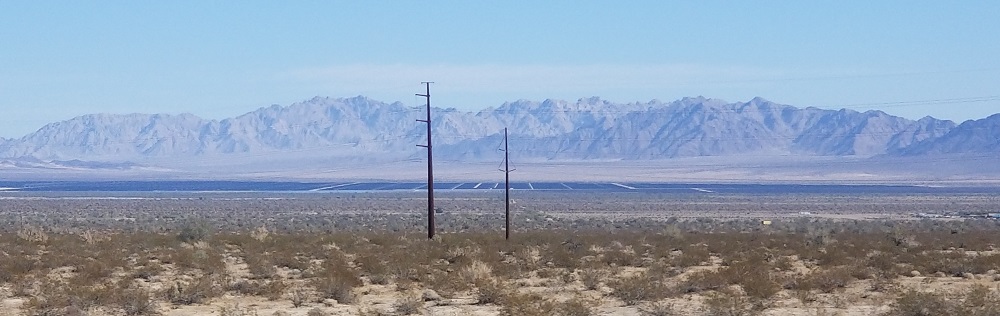
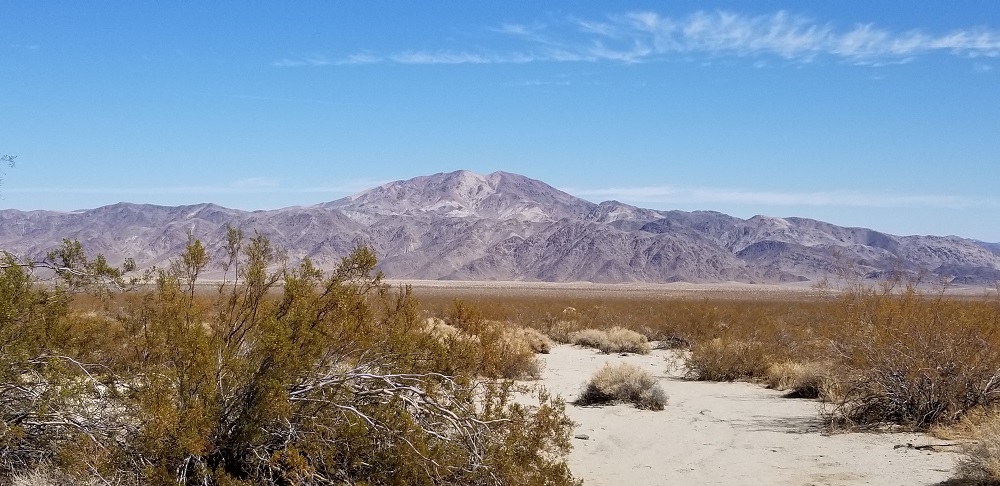
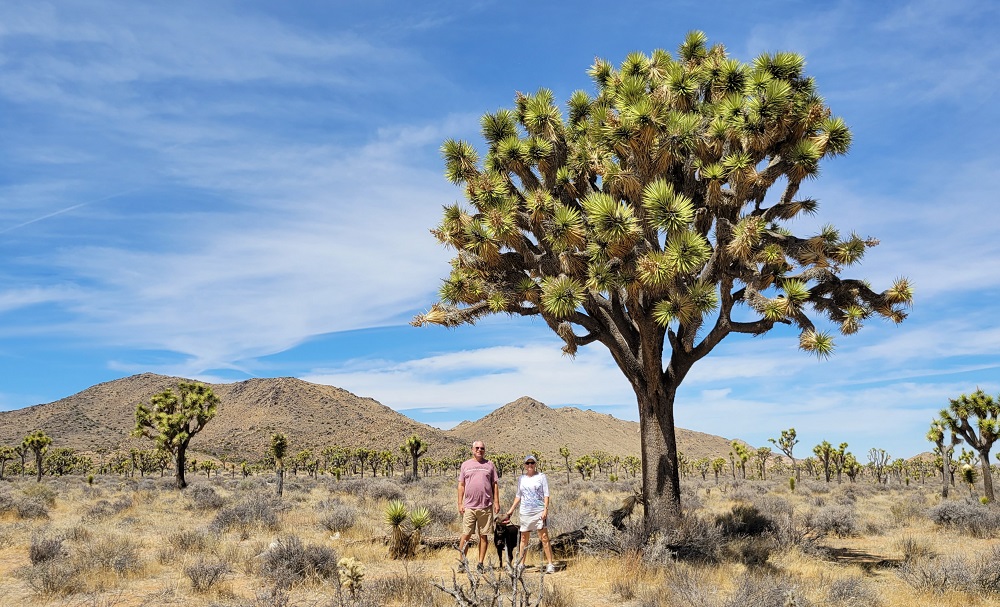
The Joshua Tree plant (it’s actually a succulent, not a “tree”) was said to have derived it’s named from Mormon settlers in the mid 1800’s. Joshua Tree became a national park in 1994 but was made a national monument in 1936. The over 790,000 acre Southern California desert protects the Joshua Tree and many other plants and animals throughout the year, including during the over 100 degree temperatures and roughly a whopping total of 8 inches of precipitation throughout the year. As residents of Phoenix, AZ, we are very familiar with lack of rain, lots of sun and very high temperatures. Today, in the park, was no exception. We experienced temperatures in the low 80’s with full sun and it’s only April 4th!
We entered the park from the south and stopped at the Cottonwood Visitor Center. I got our traditional post card and ink stamp in our National Park Adventure Guide put out by the Anderson Design Group. But instead of the traditional lapel pin we have been collecting I chose to get the BARK Ranger tag with JTNP on it which we will add to our framed map at home. BARK is an acronym:
Bag your pet’s waste
Always leash your pet
Respect wildlife
Know where you can go
Although almost all the parks restrict dogs on trails, there were dirt roads we could walk with Rangeley, our 11-month-old Silver Lab. JTNP is his 28th park he’s visited already!
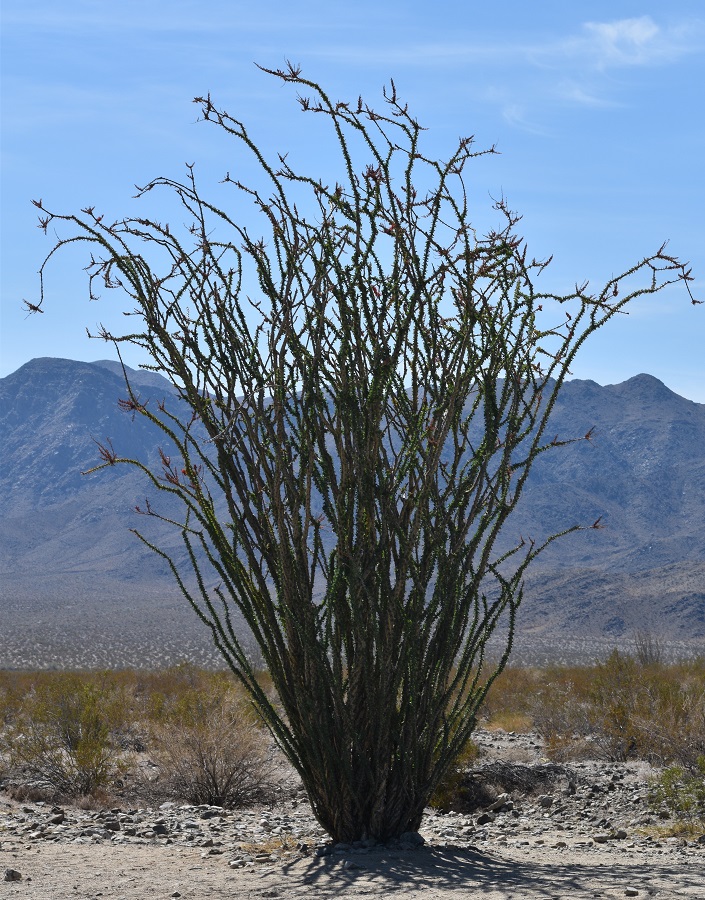
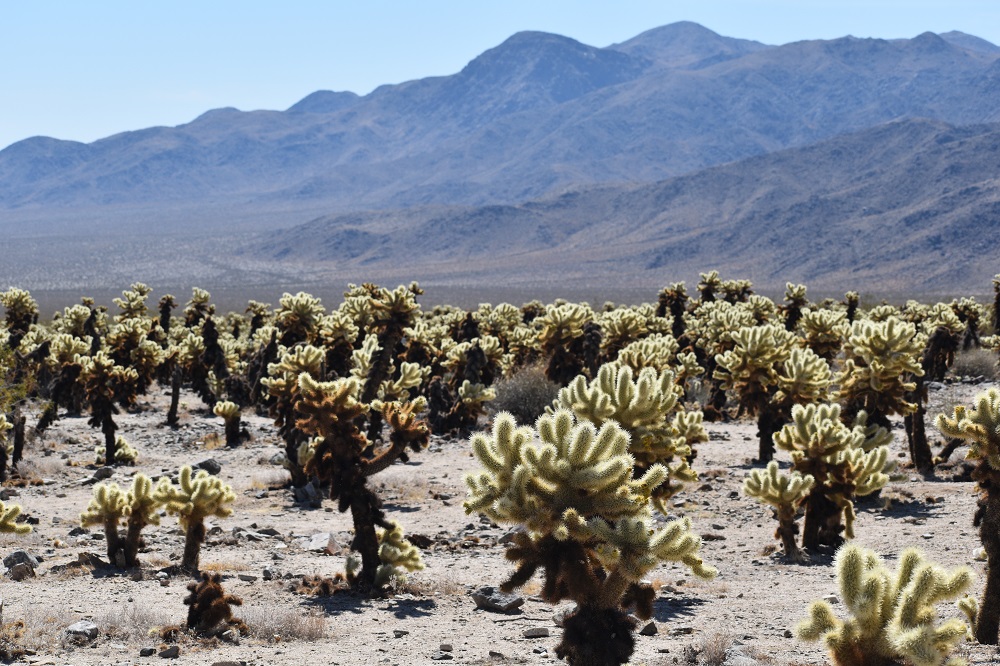
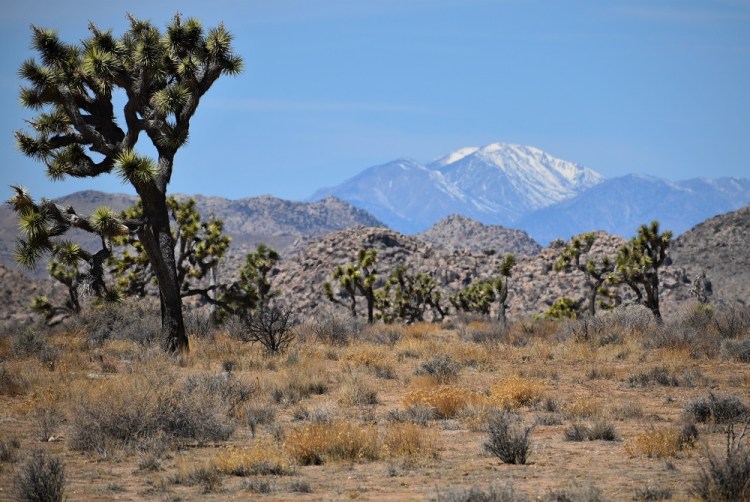
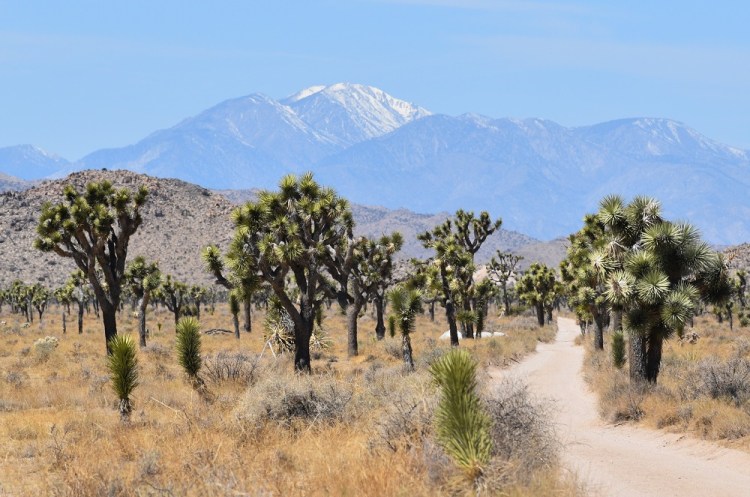
From the Cottonwood Visitor Center, we drove north and saw the Ocotillo (awk-oh-tee-oh) Patch, and Cholla (choy-ya) Cactus Garden. See pictures. We then took the small dirt Desert Queen Mine Road to O’Dell Road. Even on Easter Sunday when all the large parking lots with bathrooms (which are few in this park) were over crowded with families, these back roads were quiet, dog friendly and had magnificent views of large Joshua Trees, snowcapped mountains and hundreds of untouched acres.
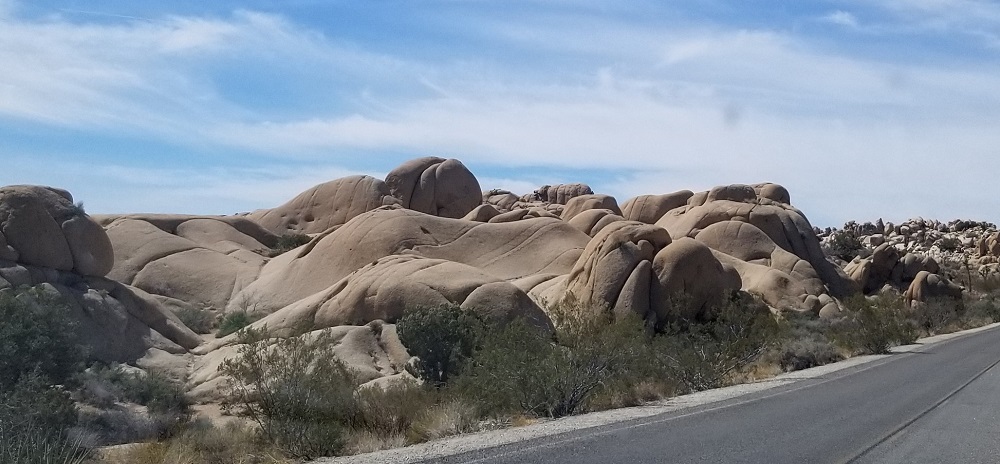
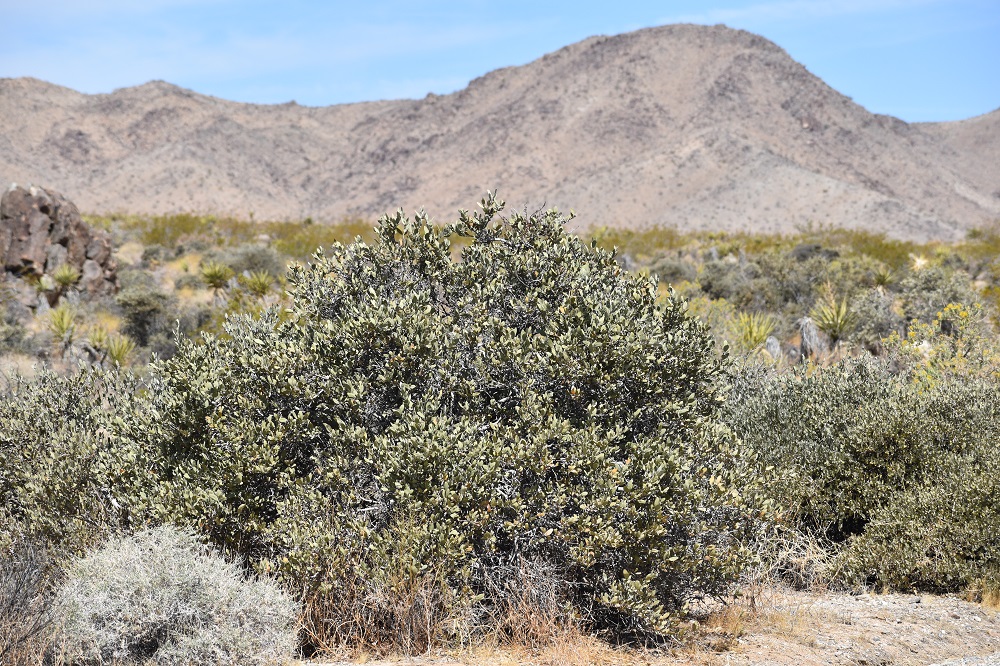
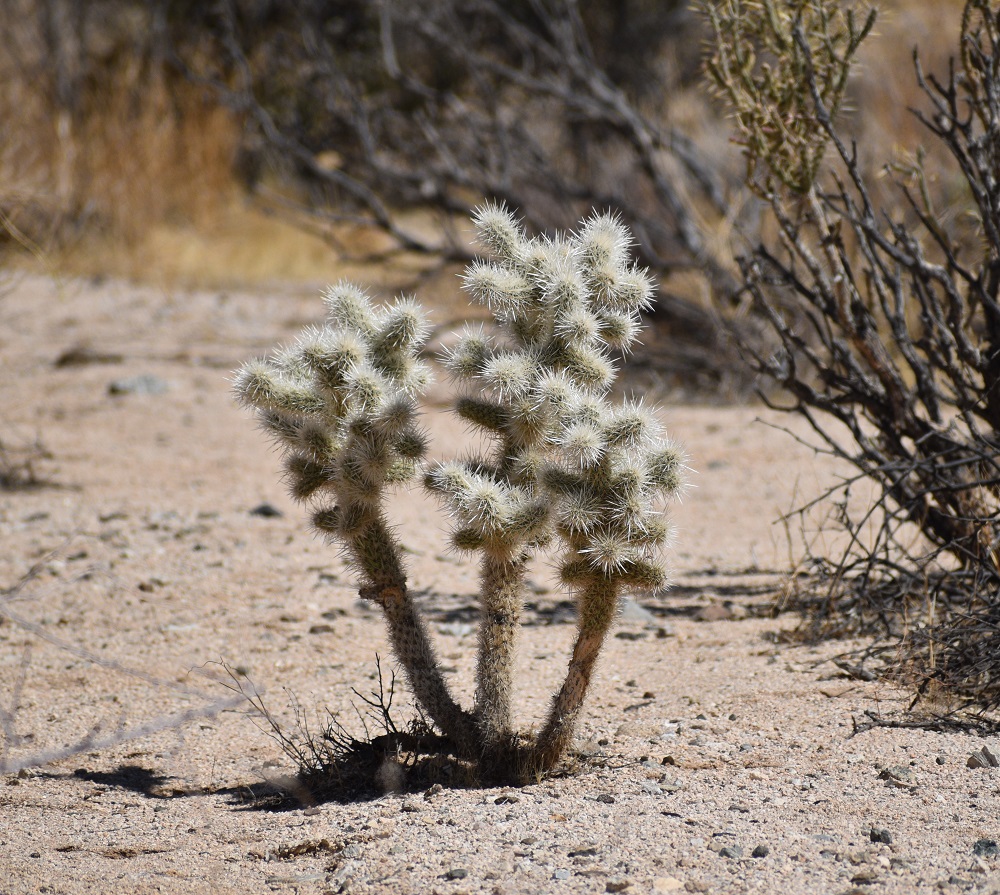
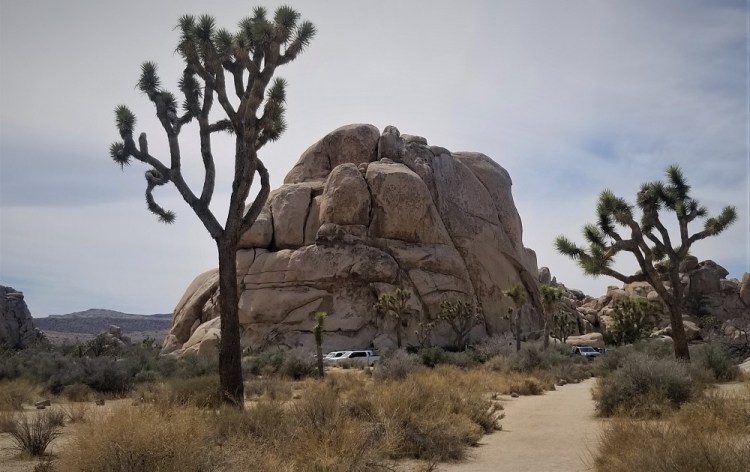
There is said to be 8,000 rock climbing routes in this park. We did not climb or repel but you can hire a guide if you want to do so. The unusual boulders were enjoyed by many and we found them quite interesting. You can research the geological history of these amazing formations but basically volcanic activity set the core’s rocks moving upward and water and these rocks made cracks in all directions eventually providing a playground for modern day bouldering, climbing and crevasse crawling adventurers.
The western portion of JTNP that is above 3,000 feet is part of the Mojave (Mo-haw-vee) Desert. The elevations below 3,000 is the Colorado Desert. This area is part of the Sonoran Desert which Gary and I live and hike in, in Phoenix.
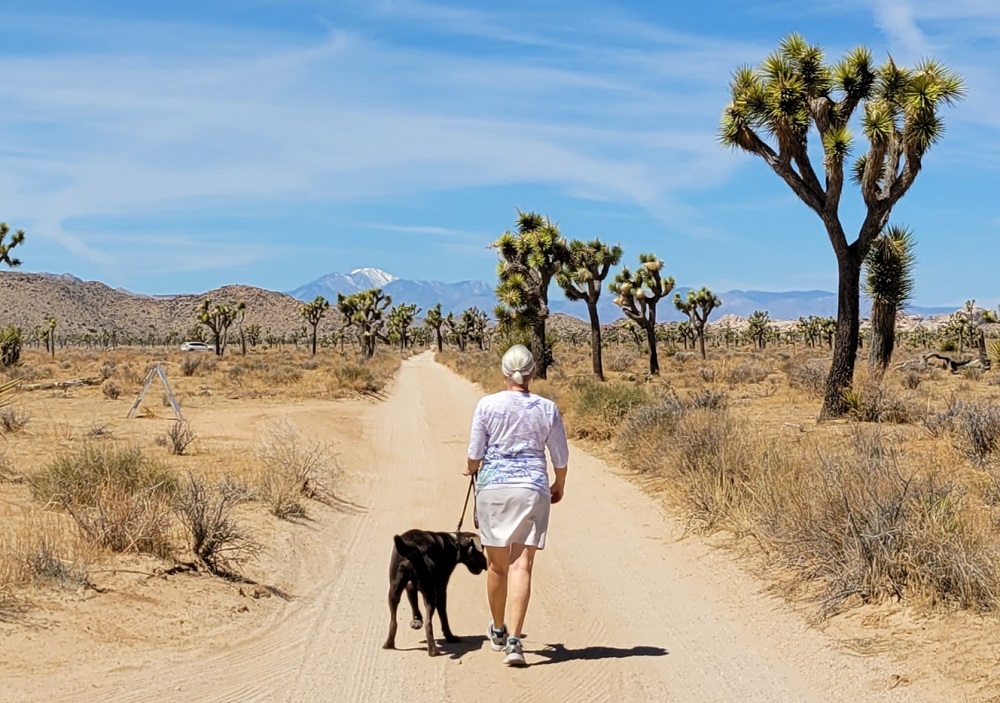
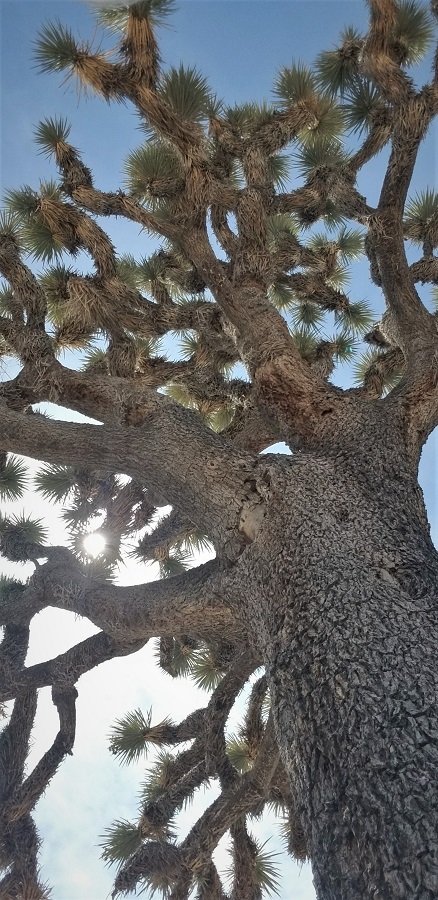
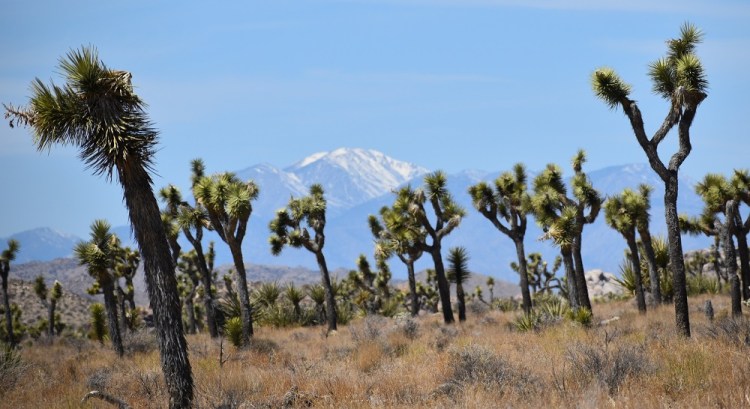
Due to the lack of rain and mid-day sun we did not see many animals and the spring flowers have not arrived in JTNP …yet!
Our last driving adventure in the park was to Keys View. Well worth the roughly 6 miles one way, out and back drive, heading in the opposite direction we were headed out of the park…due south. The views from the top of the Little San Bernardino Mountains at just over 5000 feet was spectacular. We could see the Coachella Valley where Palm Springs is, The Salton Sea where there is an abundance of salt deposits on the San Andreas Fault.

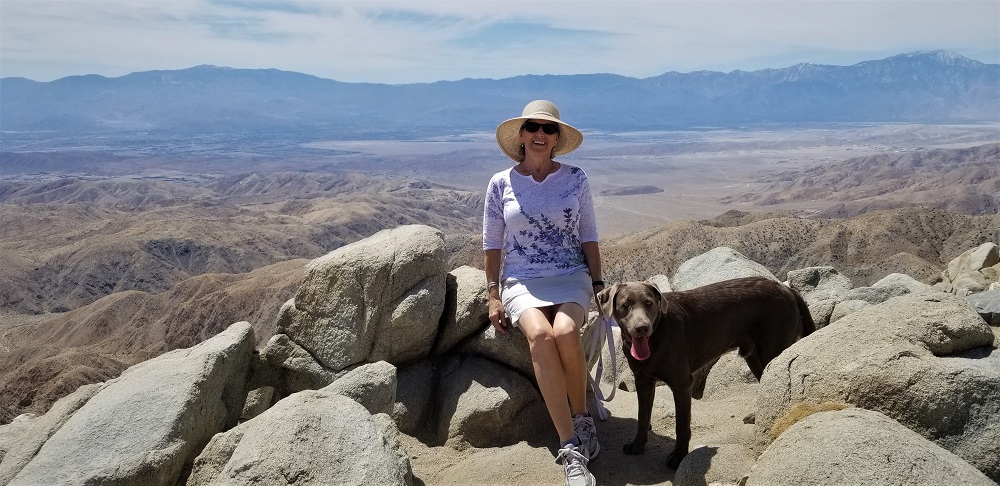
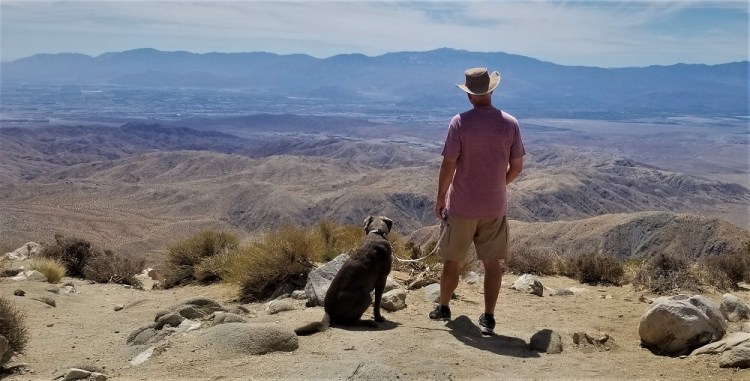
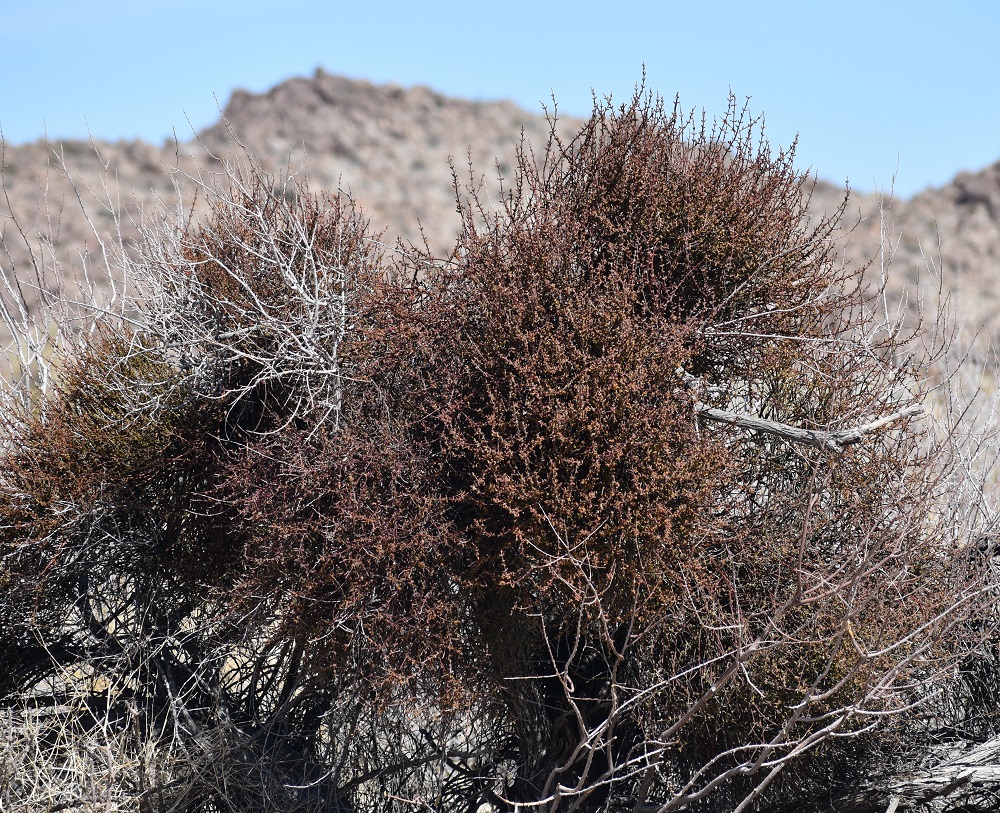
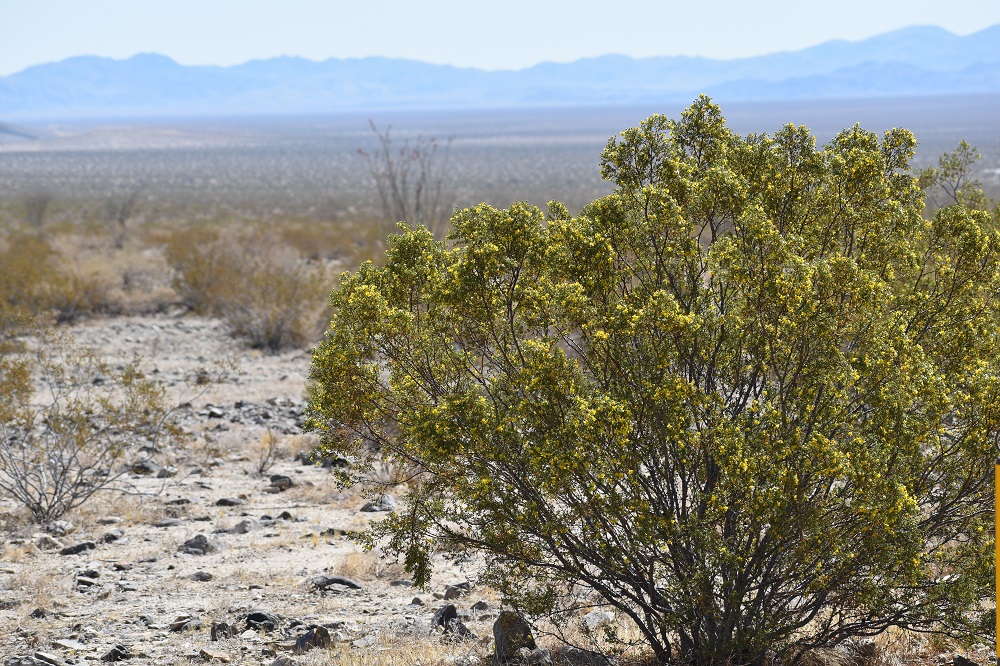
The oldest Joshua Tree is said to be 1,000 years old but average age is 500 years. They can grow to be 40+ feet tall. With Joshua Tree National Park’s Yucca plants, Prickly Pear cactus, Junipers, Creosote bushes, Desert Mistletoe, the desert tortoise, Gambel’s quail, road runners and big horn sheep. JTNP could be an amazing adventure anytime of year…except maybe not in the summer!
We stopped in the town of Joshua Tree, CA for a late lunch at Joshua Tree Saloon. A great out door patio, beer and burger place perfect for pet owners.
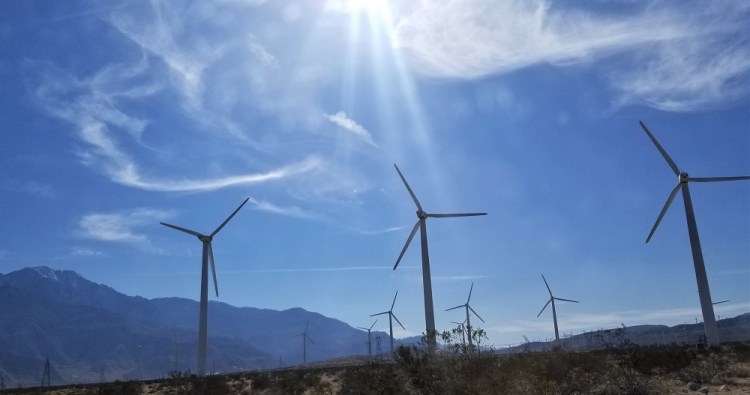
Not all those who wander are lost.
J. R. R. TOLKIEN
About Us
Visitors will want to know who is on the other side of the page. Use this space to write about your business.
 Gary and Elizabeth's Adventures